Asking Effective Questions

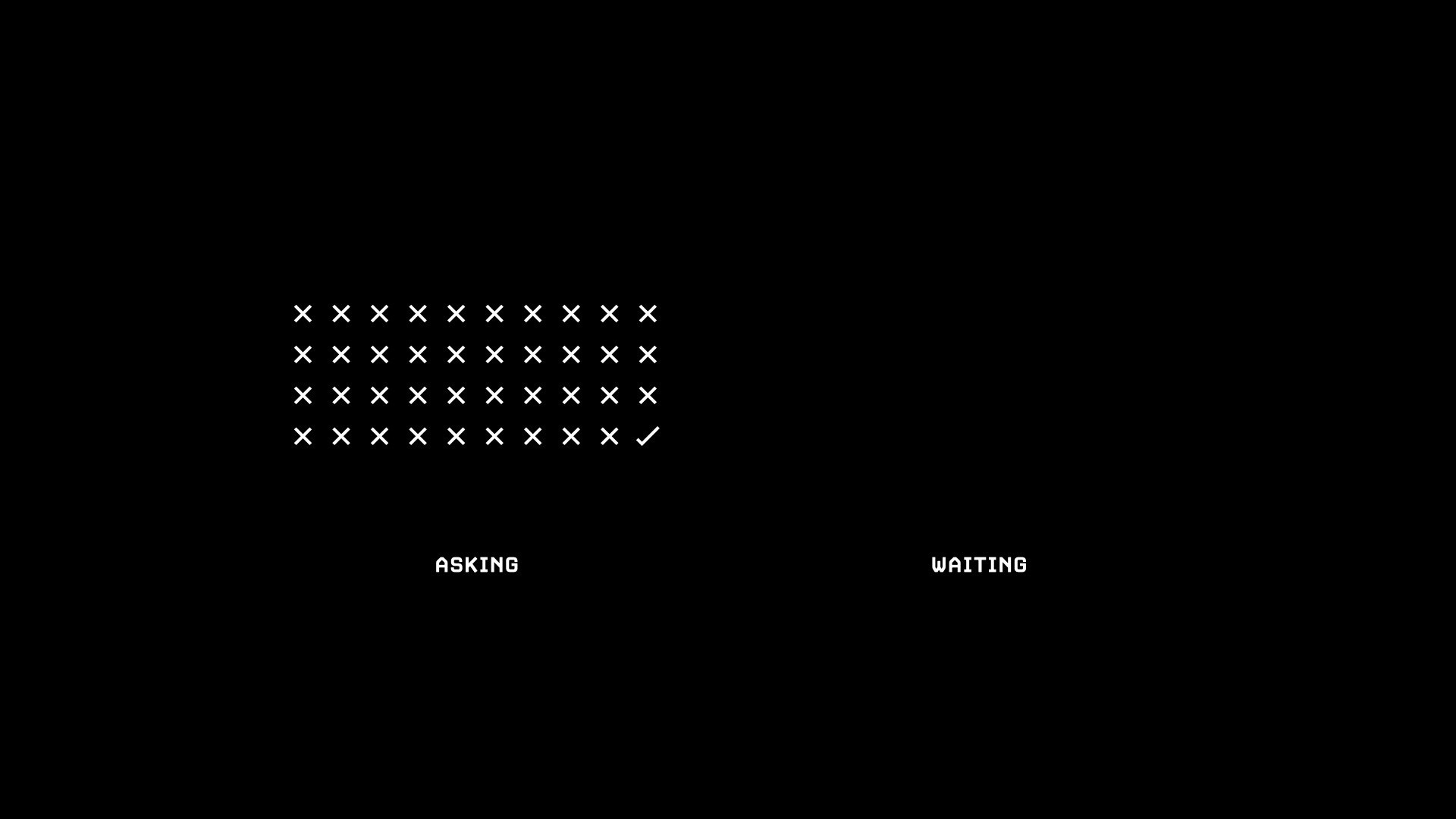
I have been trying to figure out what it takes to fully understand something and at first I wrote about failure. The more I write about understanding, the more I have questions. If you have any other insights please do reach out? The best way for that is via my twitter account @tad1wanashe.
A quote from Rory Sutherland in his book Alchemy: “The way a question is framed, is in itself information. How you ask, helps how they answer.”
“How you ask, helps how they answer” — this quote from Rory got me thinking about all those moments where I’ve had successful and not so successful questions. I don’t think it’s easy to measure how successful a question is, but for the context of this writing, I’ll say a successful question is one with the shortest route to the potential[1] answer.
First and foremost, to be good at asking you have to be great at listening. Ask questions the other person will enjoy answering. The way to know what to ask and how to ask it, is to listen to the other person speak. People are different and you need to be able recognize that — this requires a certain level of emotional intelligence.
Wrong questions? No such thing. Wasteful questions? All around us (or maybe not because what I deem wasteful, could spark an interest in you).
For example, If I was to come across a PHD math student and ask them what 7x7 equates to — this would be an example of a wasteful question, at least for me, because I’ve wasted their time and I’ve wasted an opportunity. The only reason this could be a wasted opportunity is because how many times do you come across someone with such in depth knowledge of a specific field? An example of a “better” question I’d ask someone like Steven Strogatz is how does calculus affect GPS?
7x7 could have very well been a good question, if I genuinely did not know the result but that’s something I can figure out as time goes (Or maybe use a calculator). I think the paradox is whatever I perceive as “Calculus and GPS”, could be very well 7x7 to Steven because as you may know now, he is a specialist in this field, so I think learning to frame your questions helps.
How do you better frame a question? The answer to that lies between curiosity and research.
· Curiosity
This would have to be a result of a series of curious thoughts you’ve had. We’ve all experienced conversations that don’t seem to end because you touch on one thing and that leads to another, usually because a question was asked, that started a whole new trail. This usually happens in conversations where no one person holds the final answer. All parties involved in this conversation are aware that they both aren’t skilled/knowledgeable enough to know the answer but by all of them trying to answer the questions asked, they somewhat reach an interesting conclusion. Those are the best kind of questions. No destination in mind — just pure interest leading to new and fresh ideas.
· Research
This one is specifically, for those times you have to be prepared. I believe when awarded the chance to prepare a question, you must do enough research to make sure that your question does not come off as ignorant. In the 21st century, where you have access to the biggest libraries in your pocket, the least you can do is do your own research. There is however, a point where without the domain knowledge for that field, you won’t fully understand and I think here is where all your questions should come from.
Asking good questions is one of those tools that we should all have in our tool box. Every human being, that we interact with has some sort of insight on life, that may surprise you. The transfer of that knowledge is usually a step away — using a question. If you keep asking questions, be it to the right or wrong person, eventually you get the response you are looking for. Good luck!
Examples from past conversations I’ve had:
1. A friend, Kudzai Chikawa, is big on capturing moments and often goes to old people’s homes to capture moments. One thing he shared with me is that he always asks them as many questions as he can and has learnt a great deal because of it.
2. Another friend, Lamiah Farah, remarked how she wants to capture conversations she has had with her grandparents because it would be so tragic to let all that knowledge go to waste.
In conclusion, you should always treat your questions like 3 wishes from a genie — because you only get three — so make sure they are clear and concise enough. When we approach questions like this, we will probably get to a new way of looking at things.
By asking questions, one is able to experience immense learning and possibly the exchange of ideas.
Follow this link for a video I enjoyed of Steve Jobs, speaking about how you just have to ask and you will get a response.

[1] Potential - because some questions may spark your curiosity and that may be worth more than a specific answer.
If you would prefer to receive these posts in your mail box please click on here.
Thanks to Tanaka Murahwa and Nhyira Asante for reading drafts of this.